How Long Does a Home Inspection Take? A Simple Guide for Homebuyers
When you buy a home, one of the most important steps is getting a home inspection. Many buyers ask the same question: “How long does a home inspection take?” The short answer is that most home inspections take 2 to 3 hours. But the real answer depends on the size, age, and condition of the home.
In this guide, we break down what affects home inspection time, what happens during the inspection, and how you can prepare. Whether you are a first-time homebuyer or moving into your next house, this article will help you understand the process with confidence.
What Is a Home Inspection?
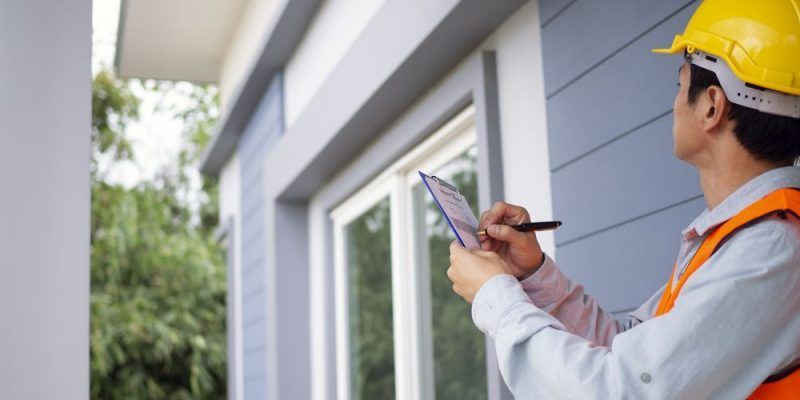
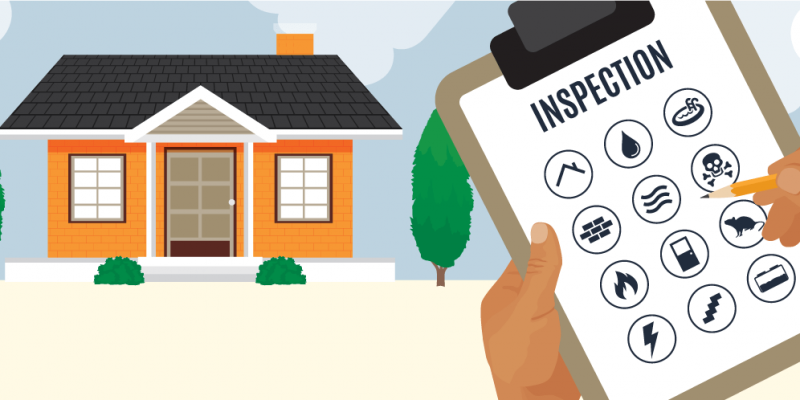
A home inspection is a detailed check of a property by a licensed home inspector. The inspector looks at the major parts of the home, including:
- Roof
- Attic
- HVAC (Heating and Cooling System)
- Electrical systems
- Plumbing
- Foundation
- Basement or crawlspace
- Windows and doors
The home inspector uses their training and expertise to check for safety issues, damage, or signs of future problems. After the inspection, they give you a written report that explains their findings in simple terms.
This report helps you make smart decisions before you buy the home.
How Long Does a Home Inspection Take on Average?
Most standard home inspections take 2 to 3 hours. However, some inspections may be shorter or longer.
Here is a quick breakdown:
- Small homes (under 1,500 sq. ft.) – About 1.5 to 2 hours
- Medium homes (1,500–3,000 sq. ft.) – Around 2 to 3 hours
- Large homes (3,000+ sq. ft.) – 3 to 4 hours or more
Remember, the goal is to make sure the home is safe and sound. A careful home inspection is much better than a fast one.
What Factors Affect Home Inspection Time?
Not all homes are the same, so not all inspections take the same amount of time. Here are the top things that can change how long your inspection lasts:
1. Size of the Home
Bigger homes take longer to inspect because they have more rooms, more systems, and more components to check.
2. Age of the Home
Older homes often require extra time. Inspectors may find outdated wiring, older plumbing, or signs of past repairs that need closer attention.
3. Condition of the Property
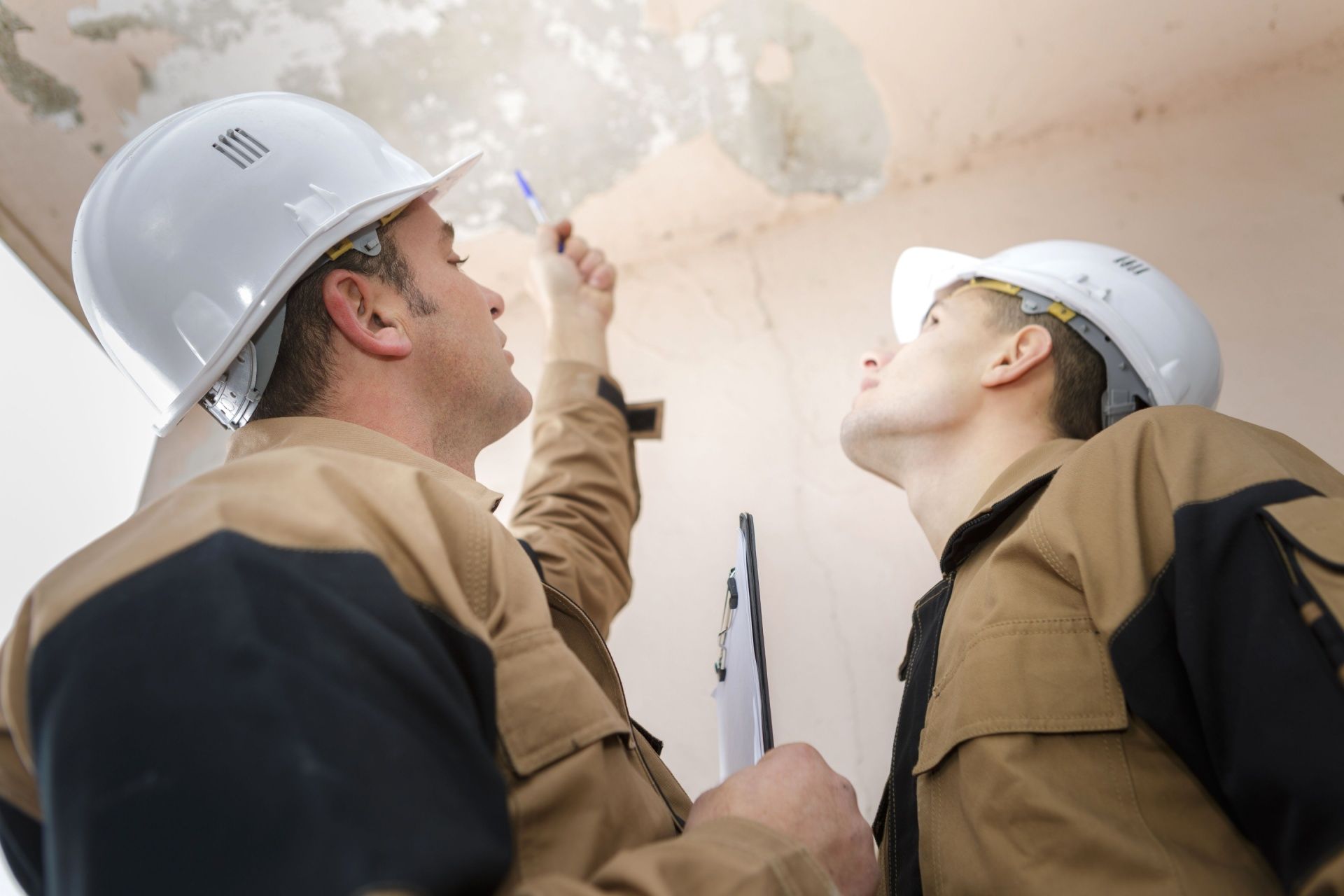
A well-maintained home takes less time to inspect. A home with damage, leaks, or safety concerns will take longer because the inspector must document everything clearly.
4. Extra Features
Homes with special features require additional inspection time. These may include:
- Pools or spas
- Fireplaces
- Multiple HVAC units
- Guest houses or detached garages
- Crawlspaces
Each extra feature means more items to check and more time needed.
5. Weather Conditions
If it is raining heavily or snowing, the certified home inspector may need more time to check the exterior safely.
6. Buyer Participation
Buyers are always welcome to attend the inspection. Asking questions is helpful—but frequent interruptions may make the inspection longer.
What Does a Home Inspector Look At?
A home inspection is very detailed. Here are the main areas your inspector will examine:
Exterior
- Roof shingles
- Gutters
- Siding
- Windows and doors
- Driveway and walkways
- Decks or patios
Interior
- Walls, ceilings, and floors
- Electrical outlets and panels
- Plumbing fixtures
- Heating and cooling systems
- Water heater
- Attic insulation
Foundation & Structure
The inspector checks for cracks, moisture, sagging floors, and structural movement.
Each part of the inspection helps ensure the home is safe, strong, and ready to live in.
Why You Should Never Rush a Home Inspection
A home inspection protects you from costly mistakes. Rushing through it can lead to missed issues such as:
- Roof leaks
- Mold or moisture problems
- Electrical hazards
- Plumbing leaks
- Foundation cracks
These problems can cost thousands of dollars later. A careful, thorough inspection gives you peace of mind and valuable knowledge about your future home.
How to Prepare for a Home Inspection
Buyers don’t have to do much, but a few simple steps can help the inspection go smoothly:
For Buyers
- Arrive on time
- Bring a notebook
- Wear comfortable shoes
- Ask questions
- Let the inspector do their work without too many interruptions
For Sellers
If you are selling the home, prepare by:
- Making sure all areas are easy to access
- Unlocking electrical panels
- Cleaning clutter from basements or crawlspaces
- Replacing old lightbulbs so fixtures work
- Fixing minor issues like loose doorknobs
A prepared home can shorten home inspection time and avoid unnecessary delays.
Can a Home Inspection Take Longer Than 3 Hours?
Yes, some inspections take more than three hours. Here are common reasons:
- The home is very old
- There are major problems requiring detailed notes
- The home is extremely large
- There are multiple HVAC systems or complicated electrical setups
- The home has not been maintained for many years
In these cases, the inspection may take 4–5 hours or even longer.
What Happens After the Home Inspection?
Once the inspection is done, you will receive a report. A good report includes:
- Photos
- Descriptions of each issue
- Safety concerns
- Repair recommendations
- A summary of the home’s condition
Your real estate agent can help you understand the report and decide your next steps. Some home buyers request repairs, ask for a credit, or negotiate the price.
Should You Attend the Home Inspection?
You don’t have to, but it is highly recommended. Being there helps you:
- Understand how the home works
- See issues in real time
- Ask questions
- Learn about maintenance tips
It also builds trust between you and your inspector. When you understand the home clearly, you can make smarter decisions.
Home Inspection Time for Specialty Services
Some inspections take longer if you add extra services, such as:
- Mold testing
- Radon testing
- WDO (termite) inspection
- Sewer scope
- Well or septic inspection
These services improve safety and help uncover hidden problems, but they add additional time to the process.
Tips to Get the Most Out of Your Home Inspection
- Ask the inspector to explain things in simple terms
- Take photos of anything you want to remember
- Bring a checklist of your concerns
- Read the final report carefully
- Use the report during negotiations
Remember: The home inspection is for your protection.
Final Thoughts
A home inspection is one of the most important steps in the homebuying process. Most inspections take 2 to 3 hours, but the real time depends on the home’s size, age, condition, and features. A careful inspection gives you confidence and protects your investment.
Ready for a reliable and detailed home inspection? Contact Villa Home Inspections today!
FAQs
Do home inspections always take 2–3 hours?
Most do, but larger or older homes may take longer.
Can I stay for the entire inspection?
Yes! Buyers are encouraged to stay and learn about the home.
What should I bring to the inspection?
A notebook, comfortable shoes, and any questions you have.
Do inspectors move furniture or heavy items?
No, inspectors only check areas they can access safely.
Will the inspector tell me if I should buy the home?
No. Inspectors give facts—not opinions. They help you make your own decision.
Is the roof always inspected?
Yes, if it is safe. Otherwise, inspectors may use binoculars or drones.
Does a clean home affect inspection time?
Yes. A clean, tidy home makes the inspection faster and easier.
Disclaimer: The information on this website and blog is for general informational purposes only and is not professional advice. We make no guarantees of accuracy or completeness. We disclaim all liability for errors, omissions, or reliance on this content. Always consult a qualified professional for specific guidance.
Search blog
Recent Posts