10 Common Home Inspection Red Flags Every Homebuyer Should Know
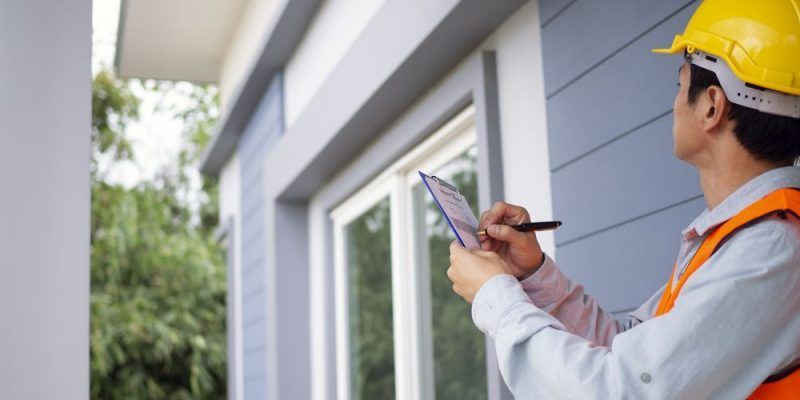
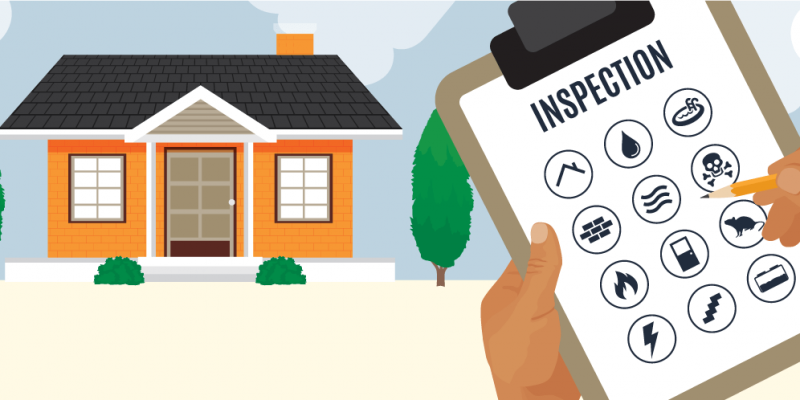
When buying a home, one of the most important steps is the home inspection. A good inspection helps you understand the true condition of a property before you spend your hard-earned money. But during the inspection, you may notice issues that are more serious than others. These are called Home Inspection Red Flags. Knowing them early can help you avoid costly repairs and stressful surprises later.
In this guide, we break down the 10 most common home inspection red flags, explain what they mean, and share helpful tips so you can make a smart decision when buying a home.
1. Foundation Problems
The foundation is the base of the entire home. If it’s damaged, the whole house can be affected.
Red flags include:
- Large cracks in walls or floors
- Doors and windows that don’t open or close properly
- Floors that slope or feel uneven
Foundation issues can be expensive to fix. Sometimes repairs may cost thousands of dollars. If your home inspector points out foundation problems, make sure to ask for a structural engineer’s evaluation before moving forward.
2. Roof Damage
A roof protects your home from rain, snow, and heat. A damaged roof can lead to leaks, mold, and high energy bills.
Red flags include:
- Missing or curled shingles
- Water stains on ceilings
- Sagging roof lines
If a roof is near the end of its life, you may need to replace it soon. Roof replacements can be costly, so this is a major point to pay attention to during a home inspection.
3. Electrical Hazards
Old or unsafe electrical systems can be dangerous. They can cause fires, power failures, or expensive repairs.
Common electrical red flags include:
- Exposed wiring
- Flickering lights
- Overloaded breaker panels
- Outdated knob-and-tube wiring
If your inspector finds major electrical issues, hire a licensed electrician to check the system. Electrical safety should never be ignored.
4. Plumbing Leaks and Water Damage
Water damage is one of the most common and most expensive problems homeowners face.
Signs of plumbing issues include:
- Low water pressure
- Mold or mildew smells
- Soft spots on floors
- Water stains under sinks or behind walls
Hidden leaks can cause rot, mold growth, and structural damage. Always ask your inspector to check pipes, drains, and water heaters for problems.
5. HVAC System Issues
A home’s heating and cooling system (HVAC) is important for comfort and safety. Replacing an HVAC system can be expensive.
HVAC red flags include:
- Very old or rusty units
- Uneven heating or cooling
- Strange noises or smells
- Dirty filters or ductwork
If the inspector reports problems, get a professional HVAC technician to take a closer look.
6. Mold and Moisture Problems
Mold is a serious issue because it can affect your health and your home’s structure.
Signs of mold include:
- Musty odors
- Dark spots on walls or ceilings
- Excess moisture in basements or bathrooms
Mold often forms from leaks, poor ventilation, or past water damage. A mold inspection may be needed if the inspector finds signs during the home inspection.
7. Pest Infestations
Termites, carpenter ants, and rodents can cause major damage behind the walls often without being noticed for years.
Red flags include:
- Wood that looks hollow
- Small piles of sawdust
- Droppings or nests
- Chewed wiring or insulation
If pests are found, a pest control specialist should inspect the home and give you a treatment plan.
8. Poor Drainage and Grading Issues
Water should always flow away from the home. If it pools near the foundation, it can cause leaks, cracks, or mold.
Warning signs include:
- Standing water in the yard
- Gutters overflowing
- Soil sloping toward the home instead of away
Good drainage is key to protecting the foundation and keeping the home dry.
9. Aging or Damaged Windows
Windows help with energy efficiency and comfort. Old or damaged windows can increase heating and cooling bills.
Red flags include:
- Fogging between glass panes
- Rotting wood frames
- Drafts coming through closed windows
If many windows are damaged, replacement may be needed, which can add up quickly.
10. Structural Problems
Structural issues are some of the most serious Home Inspection Red Flags. They can affect safety and may require large repairs.
Signs include:
- Cracked support beams
- Sagging floors
- Bowing walls
- Gaps where walls meet ceilings
If your inspector finds structural concerns, a structural engineer should evaluate the home before you continue with your purchase.
What to Do If Your Inspector Finds Red Flags
Finding red flags does not always mean you should walk away from a home. Instead, it means you should:
- Ask questions
— understand the issue clearly
- Request repair estimates
from licensed professionals
- Negotiate with the seller
— they may lower the price or fix the issues
- Get a second opinion
for major concerns
- Review the inspection report carefully
before you decide
Remember, home inspections are meant to protect you. A detailed report from a trusted inspection company helps you make a smart, safe choice.
Why a Professional Home Inspection Matters
A licensed home inspector brings experience, training, and professional tools to the job. With their expertise, they can identify hidden problems that the average buyer may not notice. Choosing a trusted inspection company helps you feel confident about your investment and protects you from future repair surprises.
At Villa Home Inspections, we follow industry-approved inspection methods and provide clear, honest reports home buyers can trust.
Final Thoughts
Understanding Home Inspection Red Flags helps you make confident decisions when buying a home. With the right information and a trusted inspection team, you can avoid surprises and protect your investment.
Schedule your trusted home inspection with Villa Home Inspections today!
FAQs About Home Inspection Red Flags
Should I be worried if a home inspection finds issues?
Not always. Many homes have small or normal issues. The key is understanding which problems are major red flags and which can be fixed easily.
Can I still buy a home with red flags?
Yes, if you understand the cost and make sure serious issues are addressed. Many buyers use inspection results to negotiate repairs or a better price.
How long does a home inspection take?
Most home inspections take 2–4 hours, depending on the home’s size and condition.
What is the most serious red flag?
Foundation problems, major roof damage, and structural issues are usually the most serious and most expensive to fix.
Should I attend the home inspection?
Yes! It helps you see issues in person and allows you to ask questions directly.
Disclaimer: The information on this website and blog is for general informational purposes only and is not professional advice. We make no guarantees of accuracy or completeness. We disclaim all liability for errors, omissions, or reliance on this content. Always consult a qualified professional for specific guidance.
Search blog
Recent Posts