How Accurate Are Air Mold Tests? A Simple Guide for Homeowners
Mold can grow in places we do not see behind walls, under floors, or inside the HVAC system. Because of this, many homeowners want a clear way to find out if mold is in the air they breathe. One of the most common tools is an air mold test. But many people wonder, How accurate are air mold tests? Can they really tell you what is happening in your home?
In this guide, we explain how air mold tests work, how accurate they are, and when you should consider getting a full mold inspection.
What Is an Air Mold Test?
An air mold test is a test that collects a sample of the air inside your home to check for mold spores. Mold spores are tiny particles that float in the air and can grow into mold when they land on damp surfaces.
Professional inspectors use special pumps that pull air into a small container. That sample is then sent to a lab for review. The lab counts the number of spores and identifies what types of mold are present.
In simple terms:
An air mold test tells you what mold spores are in the air during the exact moment of testing.
How Accurate Are Air Mold Tests?
Air mold tests can be accurate, but they also have limits. Their accuracy depends on several factors:
1. Mold Levels Change Throughout the Day
Mold spores move around constantly. If you test at a time when spores are low, your results may show low mold levels even if a hidden mold problem exists.
2. Location Matters
Testing in one room may give you different results than another room. For example, a bathroom with moisture may have higher mold levels than a living room.
3. Not All Mold Releases Spores All the Time
Some mold types release spores only when disturbed. If the mold is behind a wall and not active at that moment, the air sample may not pick it up.
4. Outdoor Air Affects the Results
Outdoor mold spores naturally get inside homes. Labs compare your indoor results to an outdoor sample to see if the indoor levels are unusually high.
5. A Good Mold Inspection Improves Accuracy
Air mold tests are most accurate when paired with a full mold inspection, including:
- Visual checks
- Moisture readings
- Thermal imaging
- Surface sampling (if needed)
Air tests alone can help, but they do not give a full picture.
When Are Air Mold Tests Most Accurate?
Air mold tests work best when:
- The inspector performs multiple tests in different areas
- Both indoor and outdoor samples are collected
- The home has been closed up for at least 12 hours
- The air is not disturbed right before testing
- The inspector also checks for leaks, moisture, and visible mold
When done correctly by a trained professional, air mold tests can provide dependable information about what you are breathing.
When Are Air Mold Tests Not Accurate Enough?
Air tests may not be reliable on their own when:
1. Mold Is Hidden Behind Walls
Air tests cannot see inside walls. If mold is trapped in a wall cavity, it might not release spores into the air.
2. The Home Is Well-Ventilated
If windows or doors are open, spores can scatter or escape, lowering the count and affecting the results.
3. Mold Is Wet and Heavy
Wet mold does not always release spores. The air sample may show low mold levels even when there is a serious mold problem.
4. There Are Sudden Changes in Humidity
Humidity affects mold activity. A sudden drop or rise in moisture can change test results.
Air Mold Test vs. Mold Inspection: Which Is Better?
Air mold tests and mold inspections do different things, and both are important.
Air Mold Test
- Checks the air you breathe
- Helps detect mold that is not visible
- Works well for allergy concerns
- Useful for before-and-after remediation testing
Full Mold Inspection
- Finds the source of mold
- Locates moisture problems
- Uses tools like moisture meters and thermal cameras
- Includes surface sampling when needed
The most accurate results come from combining both.
A certified inspector uses the air test as one tool among many.
Why Professional Mold Testing Is Better Than DIY Kits
You may find cheap DIY mold test kits online, but most experts recommend avoiding them. Here's why:
1. No Air Flow Control
Home kits do not collect a controlled air sample. This makes the results unreliable.
2. No Professional Lab Review
DIY kits may only show that mold exists, not the type, level, or danger.
3. Mold Is Everywhere
Because mold spores naturally float in the air, DIY kits often grow mold even when there is no real problem.
4. No Inspection Included
A DIY test cannot check your walls, attic, or HVAC system.
5. Risk of False Alarms
Many homeowners panic over DIY results, even when nothing is wrong.
For accurate and trustworthy results, hiring a certified inspector is the best choice.
Signs You Should Get a Mold Test or Mold Inspection
You should consider a professional mold test or inspection if you notice:
- A musty or earthy smell
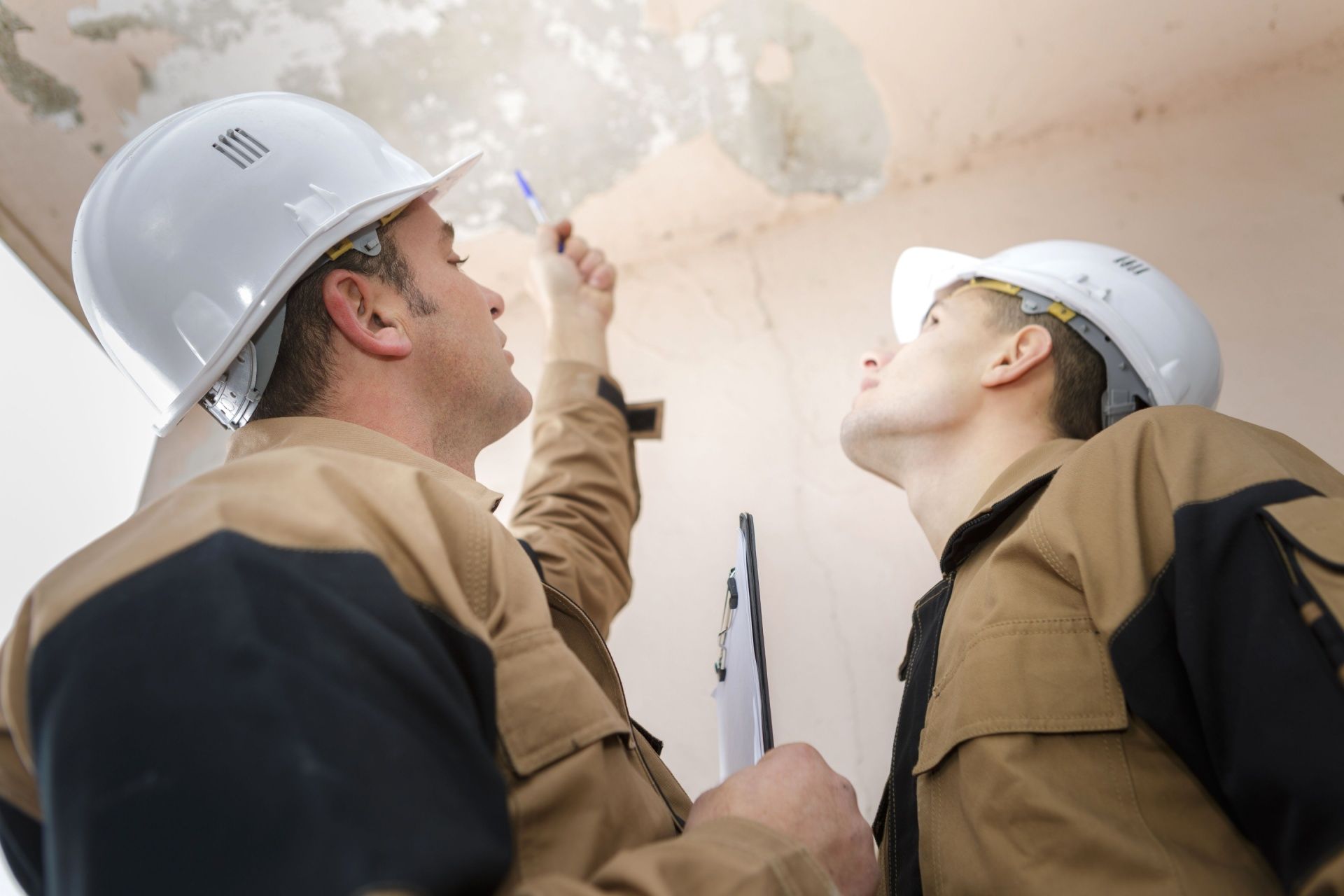
- Water stains on walls or ceilings
- Recent leaks or flooding
- Health symptoms like sneezing, coughing, or headaches
- Visible mold spots
- Peeling paint or bubbling drywall
- High humidity in bathrooms or basements
If you see mold, you do not need an air test what you need is a mold inspection and a plan for removal. Air tests are more useful when mold is suspected but not visible.
How Inspectors Improve the Accuracy of Mold Tests
A trained inspector uses several steps to ensure accurate results:
1. Taking Multiple Samples
More samples give a clearer picture of your indoor air.
2. Checking Moisture Levels
Moisture readings help identify where mold could be growing.
3. Using Thermal Imaging
This tool finds cold spots that could mean hidden moisture inside walls.
4. Collecting Outdoor Samples
Outdoor comparisons help the lab determine whether indoor mold levels are abnormal.
5. Sending Samples to Accredited Labs
Certified labs follow strict testing standards and deliver reliable results.
This combination builds trust and ensures high-quality results for homeowners.
Are Air Mold Tests Worth It?
Yes, air mold tests are worth it when performed by a certified inspector and combined with a full mold inspection. They are especially helpful for:
- Allergies or respiratory issues
- Buying or selling a home
- Ensuring mold removal was successful
- Checking for hidden mold after leaks
Just remember that air tests are only one part of the solution.
To fully understand your home’s mold situation, you need a professional who can inspect both the air and the structure of your home.
Final Thoughts
Air mold tests can be accurate and helpful, especially when done by a trained professional. But remember they are only one part of a complete mold inspection. If you want a clear, trustworthy picture of your home’s air quality and mold levels, a full inspection is the best approach.
Need a professional mold inspection or mold test? Contact Villa Home Inspections today for fast and reliable service!
Frequently Asked Questions (FAQs)
Do air mold tests detect all types of mold?
They detect most mold spores, but some mold does not release spores all the time. That is why a full mold inspection is important.
How long does an air mold test take?
Most tests take only a few minutes, but the results usually come back from the lab within 2–3 days.
Can an air test tell me where the mold is growing?
No. Air tests detect spores, not the source. A mold inspection helps find where the mold is hiding.
Are air mold tests safe?
Yes. They do not harm the home or disturb the mold.
How often should I test my home for mold?
You should test when you notice symptoms, after leaks, before buying a home, or after mold removal.
Disclaimer: The information on this website and blog is for general informational purposes only and is not professional advice. We make no guarantees of accuracy or completeness. We disclaim all liability for errors, omissions, or reliance on this content. Always consult a qualified professional for specific guidance.
Search blog
Recent Posts